.png)

Thyroid Health
The thyroid sets the metabolic pace for every cell, which is why thyroid problems show up as such a scattered list: fatigue, weight change, hair loss, feeling cold, low mood, constipation, and cycle changes. Because standard screening often checks only TSH, real thyroid patterns are frequently overlooked. A complete panel, read properly, is often where clear answers begin.
Thyroid symptoms: told it's fine but still feeling off?
Thyroid conditions affect women many times more often than men, most commonly as hypothyroidism: the gland underproducing the hormones that govern energy production. In Canada, a large share of thyroid disease goes undiagnosed, partly because symptoms build gradually and partly because screening often stops at a single marker.
TSH is a useful signal, but it's the pituitary's message to the thyroid, not a direct measure of thyroid hormone available to your cells. A complete picture includes free T4, free T3 and thyroid antibodies, which identify autoimmune thyroid disease years before hormone levels fail. The difference between screening and assessment is the difference between fine and answered.
You may benefit from an assessment if you experience:
- Persistent fatigue despite adequate sleep
- Unexplained weight gain or difficulty losing weight
- Feeling cold when others aren't
- Hair thinning or loss of the outer eyebrows
- Constipation
- Dry skin and brittle nails
- Brain fog or low mood
- Heavy or irregular periods
What causes thyroid problems?
Autoimmune Thyroid Disease
Hashimoto's thyroiditis, where the immune system gradually attacks the thyroid, is the most common cause of hypothyroidism. Antibody testing can reveal it early, while there's still function to protect and symptoms to explain.
Subclinical Patterns
Labs can sit within normal ranges while trending clearly in the wrong direction, or while T4 fails to convert efficiently into active T3. These patterns produce real symptoms and deserve monitoring, support and proactive measures.
Nutrient Cofactors
Thyroid hormone production and conversion depend on iodine, selenium, iron and zinc. Deficiencies, especially low ferritin in menstruating women, may blunt thyroid function and mimic its symptoms.
Life Stage Triggers
The postpartum year and perimenopause are both windows when thyroid dysfunction commonly begins or worsens, and when its symptoms are most easily misattributed to the life stage itself.
1 in 10
5 to 8x
How is thyroid health tested?
If indicated, we may order or review a complete panel: TSH, free T4, free T3 and thyroid antibodies, alongside ferritin and other cofactors, interpreted against your symptoms rather than in isolation. If you're already on thyroid medication but still symptomatic, we assess whether the dose, the conversion or something else entirely, like iron deficiency, explains the gap.
We also track patterns over time, because a moving trend often matters more than a single snapshot.
How is a thyroid problem treated?
Where prescription thyroid hormone is needed, it can be built into your plan, and where you're already on it, we manage the surrounding factors. Naturopathic treatment focuses on the modifiable terrain: repleting iron, selenium and other cofactors, supporting T4-to-T3 conversion, addressing autoimmune drivers where antibodies are present, and treating the sleep, stress and blood sugar factors that compound thyroid symptoms.
The goal is straightforward: labs and symptoms improving together, not one without the other.
How Somewhere Health helps
Care starts with the bigger picture rather than a single test. If you've already been diagnosed, we build on what you know. If you suspect something deeper but have never had a full workup, we can order the testing that gets you clear answers.
Your first visit is 75 minutes with a licensed naturopathic doctor who has reviewed your full intake. Together you'll create a plan that may include nutrition and lifestyle changes, targeted supplementation, and functional testing where appropriate. Bloodwork happens at any LifeLabs or Dynacare, and specialty panels like the DUTCH test ship to your door.
Appointments are completely virtual, so you can access care from anywhere in Ontario, and visits are covered by most extended health benefits plans.
Our Approach
- Nutrition and dietary guidance
- Lifestyle recommendations
- Stress and sleep support
- Targeted supplementation
- Functional or laboratory testing when appropriate
- Ongoing monitoring and treatment adjustments
- Collaborative care with your broader healthcare team when needed
How it Works


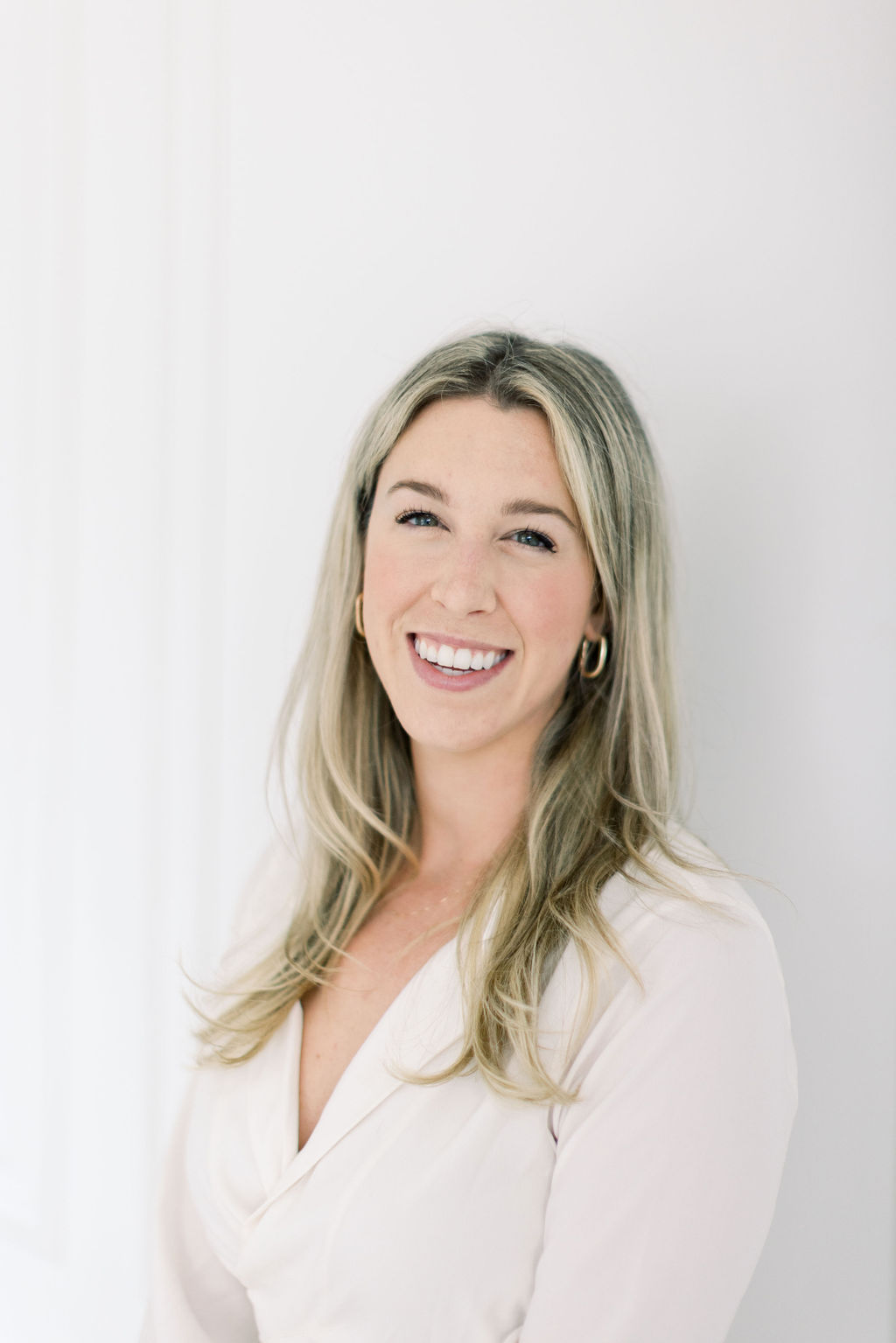

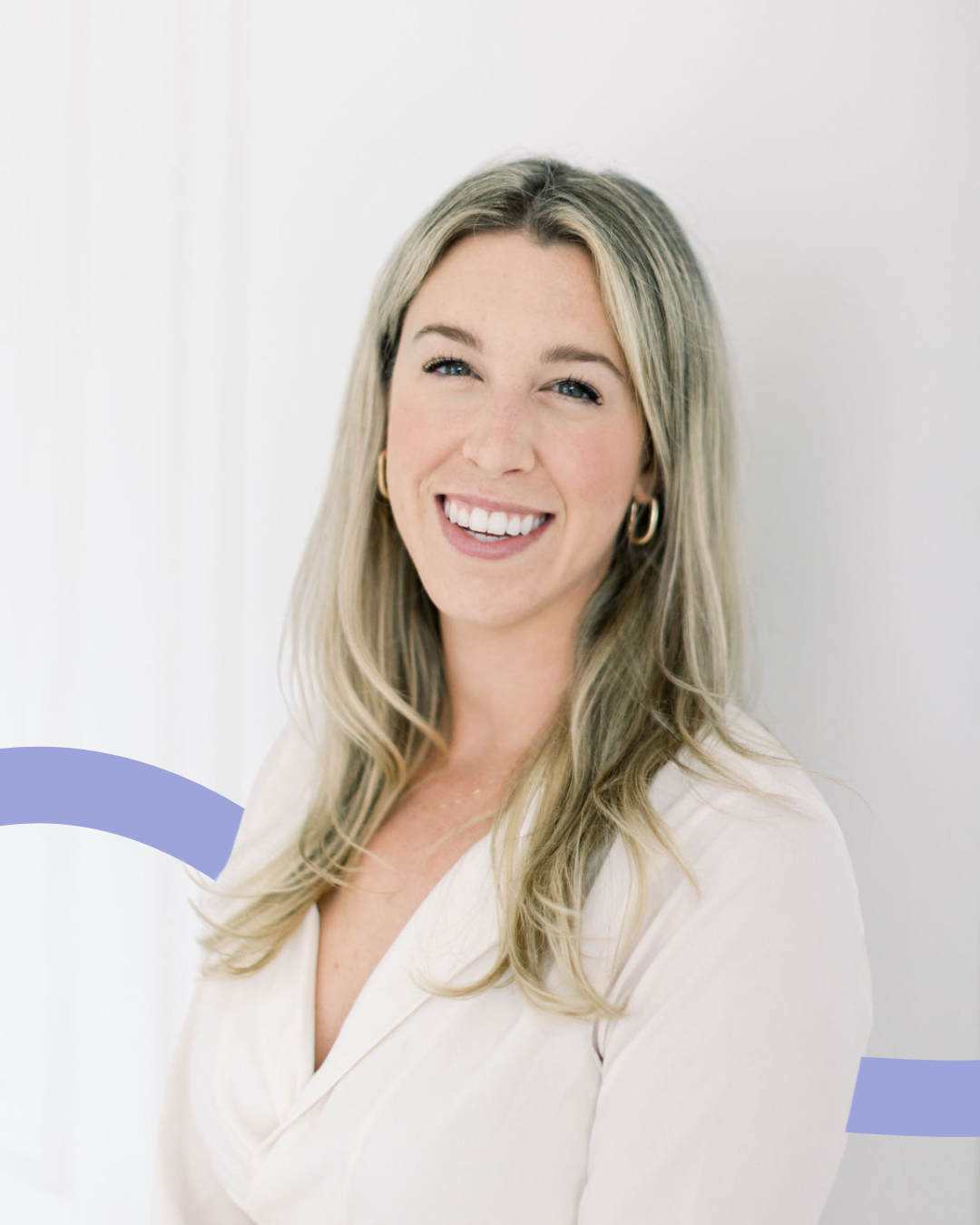
Dr. Courtney Ranieri is a licensed naturopathic doctor with Therapeutic Prescribing authorization, in practice since 2018. She holds a Doctor of Naturopathic Medicine from the Canadian College of Naturopathic Medicine and an Honours BSc from Western University, and her clinical focus is women's health: hormones, fertility, digestion, pelvic floor and metabolic care. She sees patients across Ontario virtually.