.png)

Perimenopause & Menopause
If your sleep, cycles, mood, or memory have started to feel different while your bloodwork keeps coming back normal, perimenopause may be part of the picture. These changes are real and connected to shifting hormones, and you don't have to navigate them without support. We help you understand where you are in the transition, explore the full range of options, and build a care plan that supports how you feel now and your long-term health.
Perimenopause symptoms: could this be the transition?
Perimenopause is the transition phase when estrogen and progesterone production becomes variable before eventually declining. It typically starts in the 40s, sometimes earlier, and lasts four to eight years. Menopause itself is a single milestone: twelve months without a period. Most symptoms women attribute to menopause happen during the perimenopausal years, while cycles are still coming.
During perimenopause, hormone levels can shift from day to day, So a single hormone test may not always explain how you’re feeling. A complete assessment looks at your symptoms, menstrual cycle changes, and health history, with lab testing used to evaluate contributing factors and establish helpful baselines.
You may benefit from an assessment if you experience:
- Cycles becoming shorter, longer, heavier or unpredictable
- Hot flashes or night sweats
- Sleep that's become variable, especially 3 a.m. waking
- Mood swings, irritability or anxiety that feels new
- Brain fog or word-finding trouble
- Weight shifting to your midsection despite unchanged habits
- Vaginal dryness or discomfort
- Joint aches without injury
1 in 4
4 to 8 yrs
What causes perimenopause?
Fluctuating Estrogen
Estrogen doesn't fade smoothly; it spikes and crashes. The swings can drive hot flashes, migraines, mood changes and heavy periods, often more than the eventual decline does.
Declining Progesterone
Progesterone falls earlier and faster than estrogen. Because it supports sleep and calm, its loss often explains why lighter sleep and a shorter fuse arrive first, sometimes years before hot flashes.
Thyroid Overlap
Thyroid dysfunction rises in midlife and mimics perimenopause closely: fatigue, weight change, mood shifts, cycle changes. Testing the thyroid properly prevents years of treating the wrong thing.
Metabolic Shifts
Estrogen decline changes how the body handles blood sugar and stores fat. Midlife weight gain isn't a willpower failure; it's physiology that responds to a different approach.
How is perimenopause tested?
Assessment centres on your history: cycle changes, symptom pattern, sleep, mood and health background. Bloodwork rules out conditions that mimic the transition, particularly thyroid dysfunction and iron deficiency, and establishes baselines for the health priorities that matter after menopause, including cardiovascular and bone health markers.
We also talk honestly about where you are in the transition and what to expect next, which many women tell us no one has done for them.
How are perimenopause and menopause treated?
Your plan depends on your symptoms, preferences and candidacy. Care may include evidence-informed strategies for sleep, hot flashes and mood, nutrition and strength-focused movement to protect bone and metabolic health, targeted supplementation where it has evidence, and clear education on hormone therapy so you can decide whether it belongs in your plan. We refer to menopause specialists when that's the right next step.
The goal is a transition you're resourced for, and a strong foundation for the decades after it.
How Somewhere Health helps
Care starts with the bigger picture rather than a single test. If you've already been diagnosed, we build on what you know. If you suspect something deeper but have never had a full workup, we can order the testing that gets you clear answers.
Your first visit is 75 minutes with a licensed naturopathic doctor who has reviewed your full intake. Together you'll create a plan that may include nutrition and lifestyle changes, targeted supplementation, and functional testing where appropriate. Bloodwork happens at any LifeLabs or Dynacare, and specialty panels like the DUTCH test ship to your door.
Appointments are completely virtual, so you can access care from anywhere in Ontario, and visits are covered by most extended health benefits plans.
Our Approach
- Nutrition and dietary guidance
- Lifestyle recommendations
- Stress and sleep support
- Targeted supplementation
- Functional or laboratory testing when appropriate
- Ongoing monitoring and treatment adjustments
- Collaborative care with your broader healthcare team when needed
How it Works



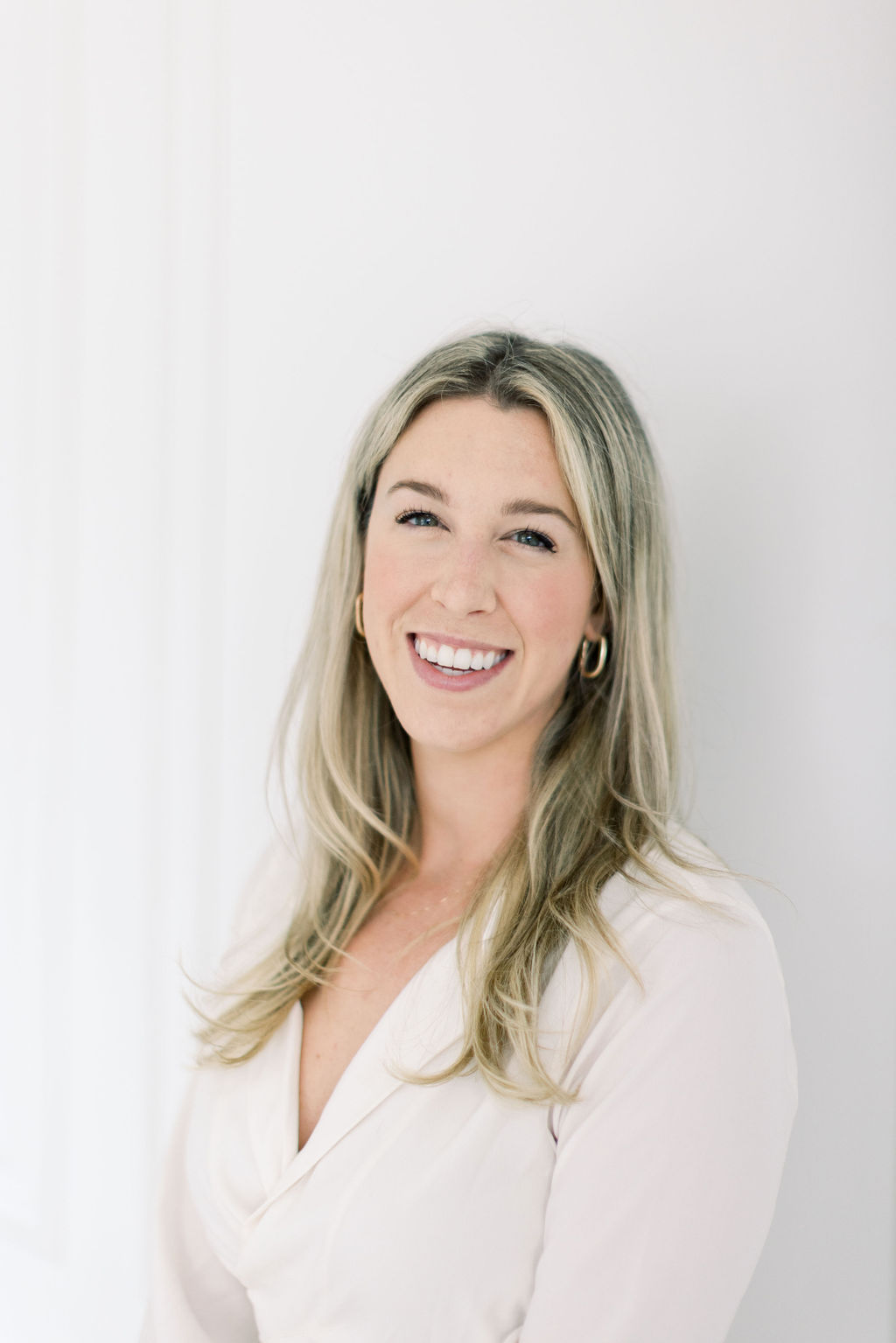

Dr. Courtney Ranieri is a licensed naturopathic doctor with Therapeutic Prescribing authorization, in practice since 2018. She holds a Doctor of Naturopathic Medicine from the Canadian College of Naturopathic Medicine and an Honours BSc from Western University, and her clinical focus is women's health: hormones, fertility, digestion, pelvic floor and metabolic care. She sees patients across Ontario virtually.