.png)
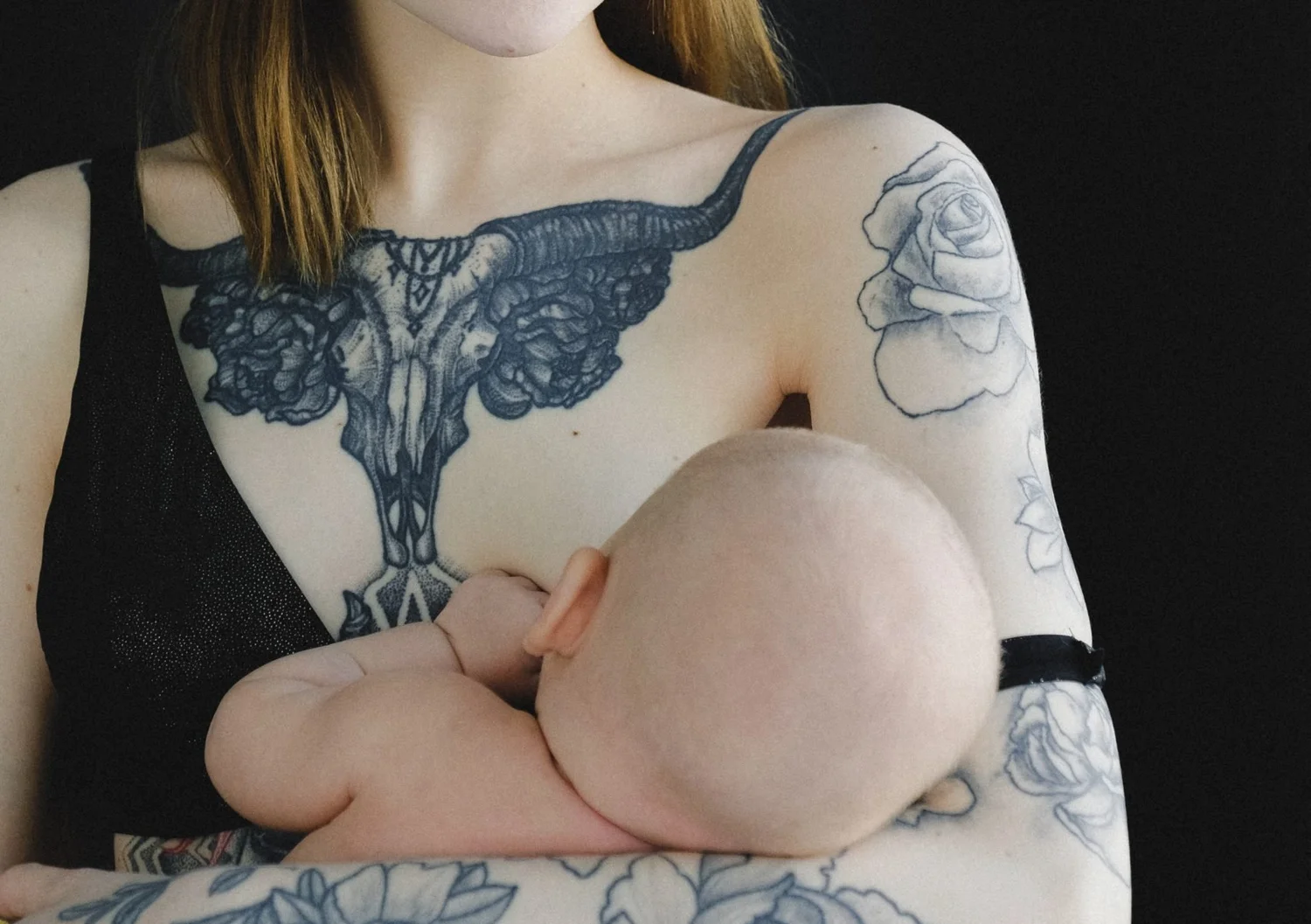
Postpartum Recovery & Lactation Support
The postpartum months ask a lot of your body, and it's common to feel like you're still running on empty long after everyone expects you to be "back to normal." Ongoing fatigue, brain fog, hair loss, mood changes, or trouble recovering deserve attention. We take the time to understand what's contributing, whether that's iron, thyroid function, nutrient status, hormones, or simply the demands of this season and create a personalized plan that fits around life with a new baby.
Postpartum symptoms: still not feeling like yourself?
The postpartum period brings the biggest hormonal shift of a woman's life, on top of recovery from birth, blood loss, interrupted sleep, and, for many, breastfeeding. It's normal to feel tired but it's not always "just being a new mom." If exhaustion, brain fog, hair loss, low mood, or other symptoms continue beyond the early months, iron deficiency, thyroid changes, nutrient depletion, or postpartum mood concerns may be part of the picture. A thorough assessment can help uncover what's contributing and guide the next steps.
You may benefit from an assessment if you experience:
- Exhaustion beyond what broken sleep explains
- Hair shedding in handfuls past the expected window
- Anxiety, low mood or feeling flat
- Brain fog that isn't lifting
- Feeling cold, dizzy or short of breath
- Milk supply concerns
- Cycles that returned strangely or not at all
- Still not feeling like yourself six months or more after birth
What causes postpartum symptoms?
Iron Depletion
Pregnancy and birth commonly deplete iron stores, and deficiency produces fatigue, breathlessness, hair loss and low mood that closely mimic both normal new-mother tiredness and depression. Ferritin testing identifies it reliably.
Postpartum Thyroiditis
Thyroid inflammation affects an estimated five to ten percent of women in the first postpartum year, often swinging overactive then underactive. It's frequently missed because its symptoms get attributed to adjustment.
Nutrient Drawdown
Growing and feeding a baby transfers B12, vitamin D, choline and omega-3 stores to your child. Depletion accumulates quietly and slows recovery until it's repleted.
Hormonal Recalibration
Estrogen and progesterone drop abruptly after birth and remain suppressed during breastfeeding. This shifts mood, sleep, libido and skin, and it interacts with everything above.
Postpartum Mood Conditions
Depression and anxiety affect roughly one in five mothers. They are medical conditions, not character flaws, and they can coexist with depletion, which is why we screen carefully rather than assuming either story.
1 in 5
5 to 10%
What testing supports postpartum recovery?
Assessment starts with your story: the pregnancy, birth, feeding journey, sleep reality and how you're doing. Testing typically includes ferritin and iron studies, a complete thyroid panel, B12, vitamin D and blood sugar, chosen because these are the most common and most missed postpartum findings. Mood is screened properly and taken seriously. Anything beyond our scope is referred quickly and warmly, and we stay involved in the physical side of your recovery.
How is postpartum recovery treated?
Treatment rebuilds what the last year drew down: repletion of iron and nutrients at effective doses, thyroid support or treatment where testing warrants it, food strategies that work one-handed at 3 a.m., and sleep and stress supports that fit real life with a baby. Everything is checked for lactation safety against your feeding choices, and supporting your supply and supporting you are treated as the same project.
Appointments are virtual and scheduled around your and your baby's rhythm.
How Somewhere Health helps
Care starts with the bigger picture rather than a single test. If you've already been diagnosed, we build on what you know. If you suspect something deeper but have never had a full workup, we can order the testing that gets you clear answers.
Your first visit is 75 minutes with a licensed naturopathic doctor who has reviewed your full intake. Together you'll create a plan that may include nutrition and lifestyle changes, targeted supplementation, and functional testing where appropriate. Bloodwork happens at any LifeLabs or Dynacare, and specialty panels like the DUTCH test ship to your door.
Appointments are completely virtual, so you can access care from anywhere in Ontario, and visits are covered by most extended health benefits plans.
Our Approach
- Nutrition and dietary guidance
- Lifestyle recommendations
- Stress and sleep support
- Targeted supplementation
- Functional or laboratory testing when appropriate
- Ongoing monitoring and treatment adjustments
- Collaborative care with your broader healthcare team when needed
How it Works


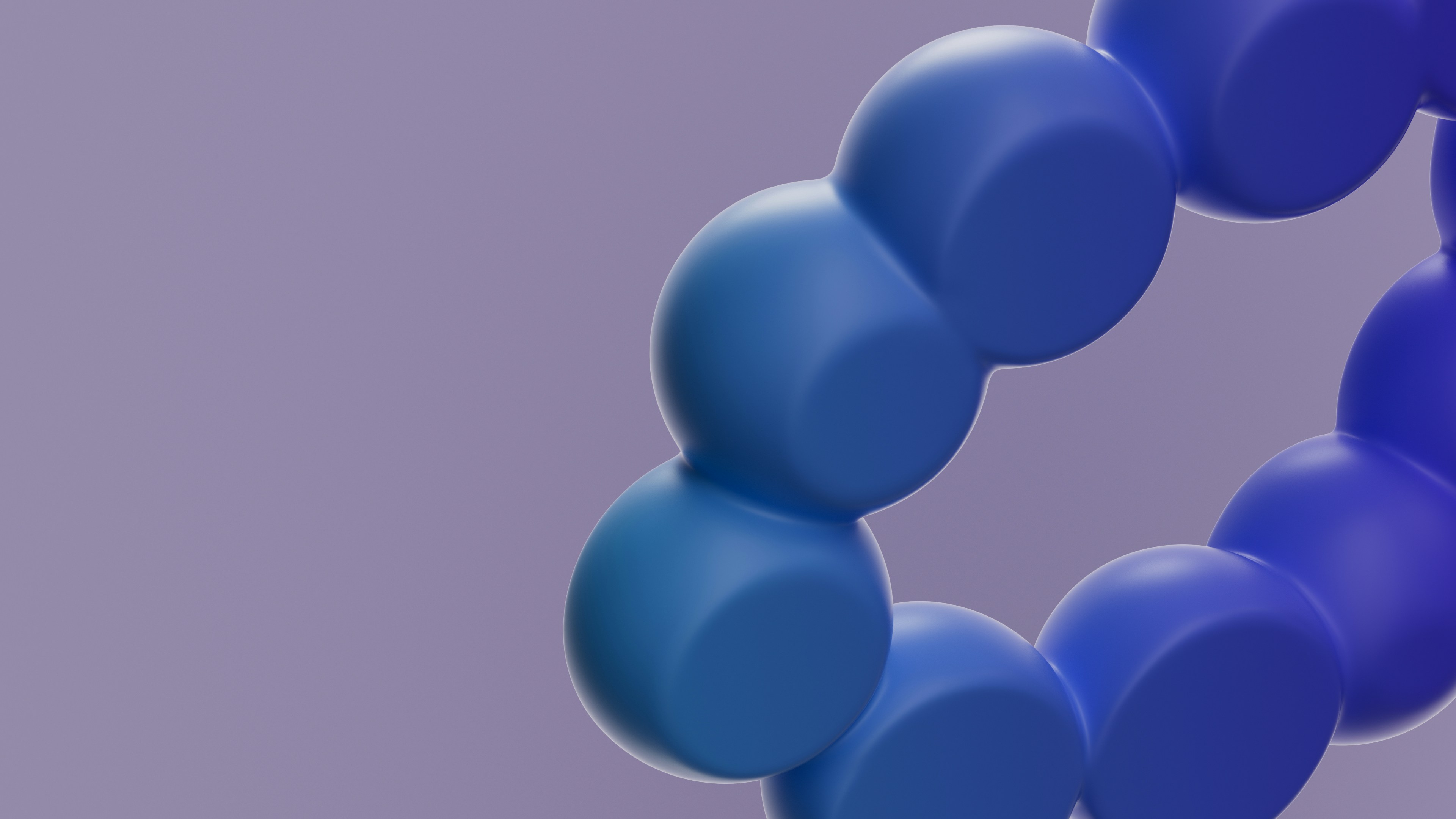
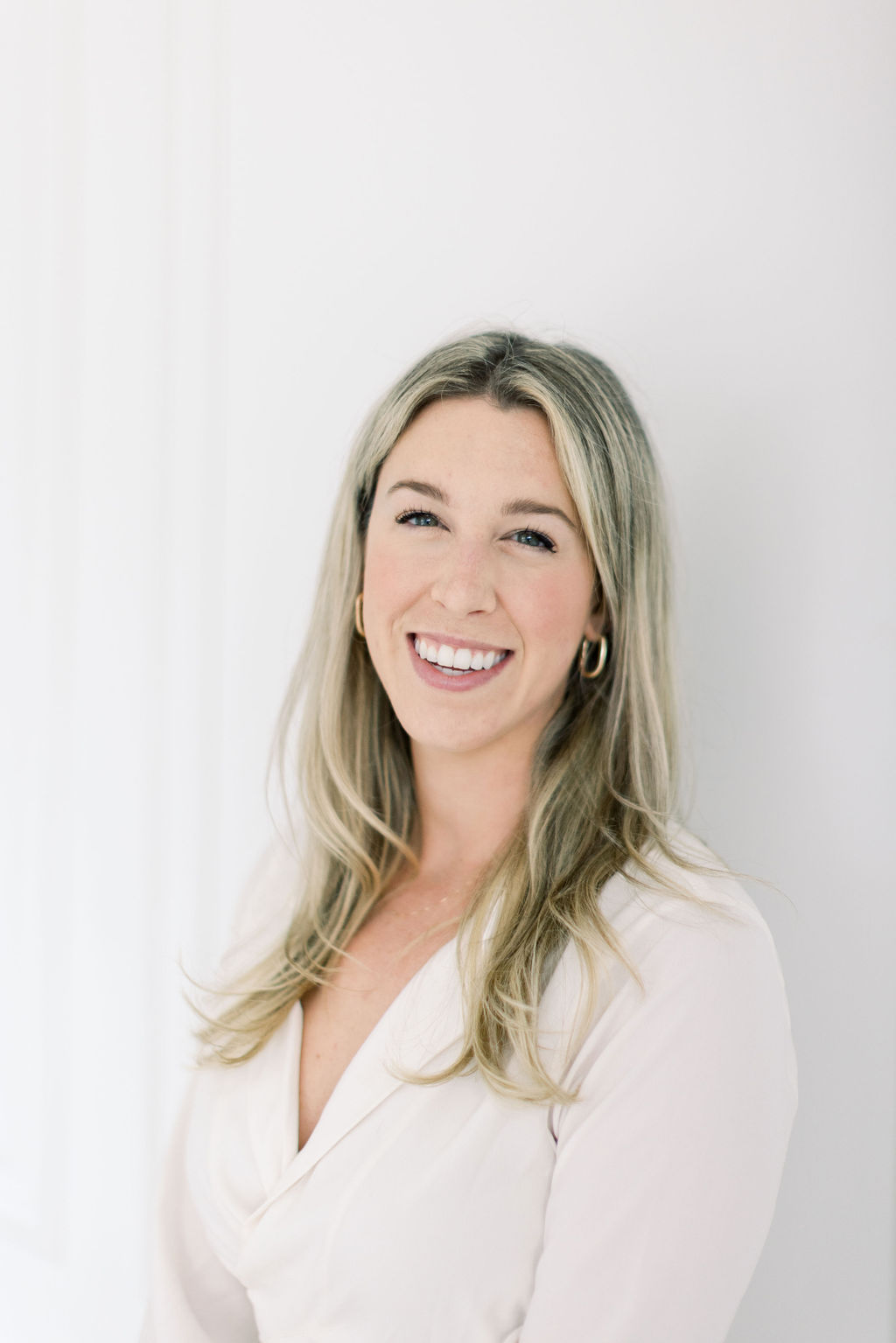

Dr. Courtney Ranieri is a licensed naturopathic doctor with Therapeutic Prescribing authorization, in practice since 2018. She holds a Doctor of Naturopathic Medicine from the Canadian College of Naturopathic Medicine and an Honours BSc from Western University, and her clinical focus is women's health: hormones, fertility, digestion, pelvic floor and metabolic care. She sees patients across Ontario virtually.