.png)

Skin Health
Skin often reflects what is happening internally. Breakouts along the jaw before your period, flares after stressful stretches, or acne that returns after stopping the pill point to internal drivers like hormones, blood sugar, and gut health. Skincare products have an important role, but they’re only one piece of the puzzle. We look at the bigger picture including hormones, nutrition, gut health, and lifestyle to understand what your skin needs to thrive.
Hormonal skin & acne: is your skin flagging an internal issue?
Adult acne in women is common, under-discussed and distinctly patterned: deeper, more painful breakouts around the jawline, chin, and neck that often flare in the days leading up to a period. This timing and location can point to the influence of hormones, including androgens, on oil production and inflammation, which is why topical products alone don't always address the full picture.
Skin concerns like acne, eczema, and rosacea can also be influenced by factors beyond the skin itself, including stress, nutrition, gut health, hormones, and environmental triggers.
You may benefit from an assessment if you experience:
- Breakouts concentrated at the jawline, chin or neck
- Acne that flares before your period
- Acne that began or returned after stopping birth control
- Deep, painful cysts rather than surface congestion
- Adult acne despite a consistent skincare routine
- Eczema or rosacea that flares with stress or foods
- Skin changes alongside irregular cycles
- Skin and digestive symptoms that travel together
What causes hormonal skin concerns?
Androgen Activity
Hormones like testosterone and DHEA influence oil production, inflammation, and how easily pores become clogged. When androgen activity is higher or the skin is more sensitive to these hormones, it can contribute to hormonal acne, especially breakouts that cluster around the jawline, chin, or flare with the menstrual cycle. In PCOS, androgen-related patterns are common and can be assessed as part of the bigger picture.
Blood Sugar and Insulin
Blood sugar regulation can influence hormone signalling and inflammation in the skin. Higher insulin levels may increase androgen activity in some people, which can contribute to acne severity and oil production. Supporting balanced blood sugar through nutrition, lifestyle, and addressing insulin resistance when present can be an important part of a personalized acne plan.
Post-Pill Rebound
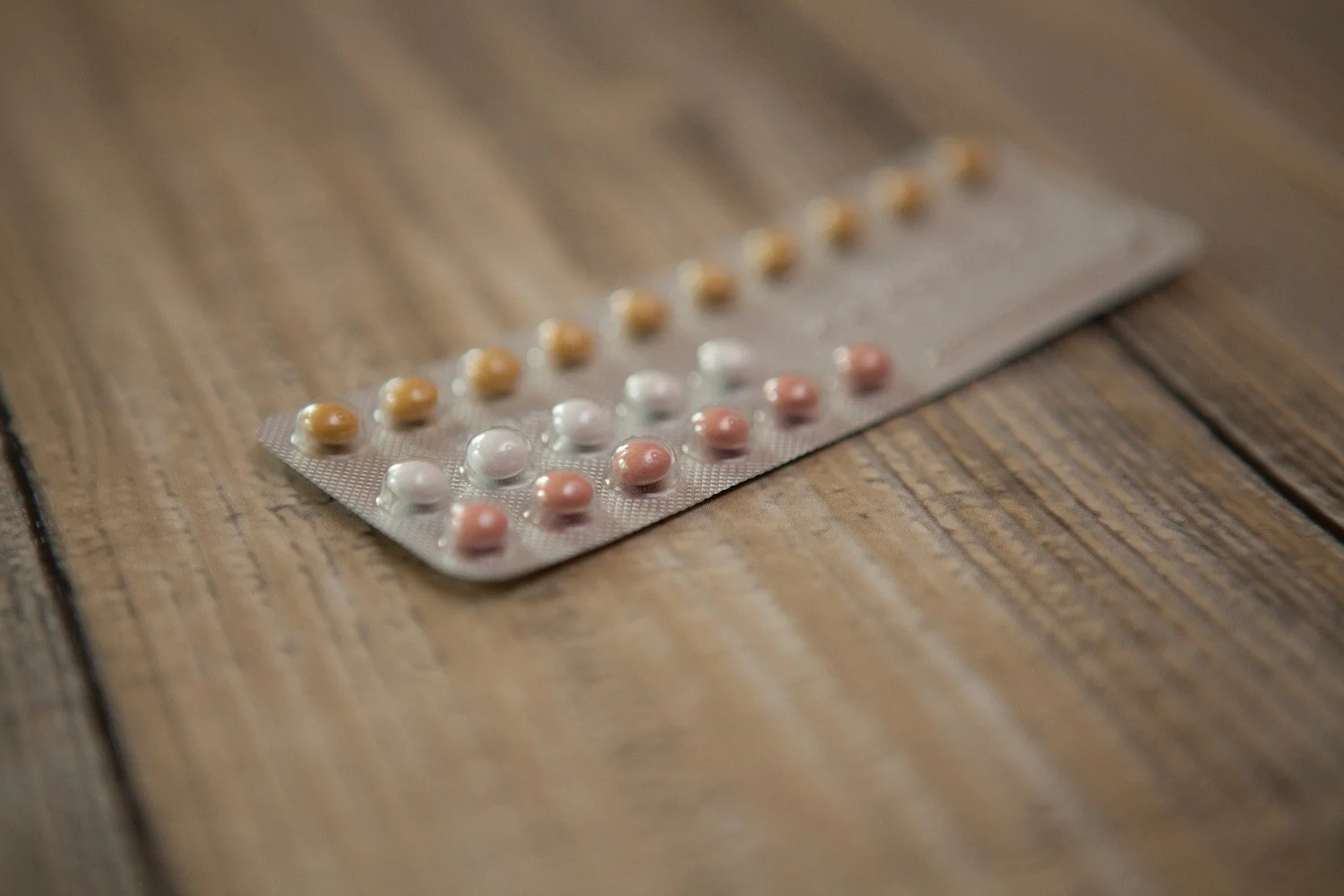
Stopping hormonal contraception removes its androgen suppression, and rebound acne can be common. Predictable, temporary and manageable with support.
The Gut-Skin Axis
Gut microbiome disruption and gut inflammation show consistent associations with acne, eczema and rosacea. When skin and digestion misbehave together, treating the gut may helps both.
Stress and Sleep
Cortisol increases oil production and inflammation while slowing skin repair, which is why stressful seasons show up on your face a few weeks later.

5.6M
Up to 40%
How is skin health tested?
The pattern is diagnostic: where breakouts sit, how they track your cycle, what they followed, contraception history, digestion, diet and stress. Where the picture suggests it, testing may include androgens, cycle-timed hormones, a thyroid panel, blood sugar and insulin markers, or gut investigations. Severe or scarring acne warrants dermatology involvement, and we refer alongside our care rather than instead of it.
How is hormonal skin treated?
Treatment targets your drivers: steadying blood sugar and insulin, supporting hormone balance and post-pill transitions, treating gut contributors, and evidence-informed supplementation such as zinc where appropriate, layered with sensible topical guidance rather than replacing it. Expect visible change over two to three skin cycles, roughly eight to twelve weeks, with improvement continuing from there.
Clearer skin that lasts comes from treating the cause, and the same work usually improves energy and cycles too.
How Somewhere Health helps
Care starts with the bigger picture rather than a single test. If you've already been diagnosed, we build on what you know. If you suspect something deeper but have never had a full workup, we can order the testing that gets you clear answers.
Your first visit is 75 minutes with a licensed naturopathic doctor who has reviewed your full intake. Together you'll create a plan that may include nutrition and lifestyle changes, targeted supplementation, and functional testing where appropriate. Bloodwork happens at any LifeLabs or Dynacare, and specialty panels like the DUTCH test ship to your door.
Appointments are completely virtual, so you can access care from anywhere in Ontario, and visits are covered by most extended health benefits plans.
Our Approach
- Nutrition and dietary guidance
- Lifestyle recommendations
- Stress and sleep support
- Targeted supplementation
- Functional or laboratory testing when appropriate
- Ongoing monitoring and treatment adjustments
- Collaborative care with your broader healthcare team when needed
How it Works





Dr. Courtney Ranieri is a licensed naturopathic doctor with Therapeutic Prescribing authorization, in practice since 2018. She holds a Doctor of Naturopathic Medicine from the Canadian College of Naturopathic Medicine and an Honours BSc from Western University, and her clinical focus is women's health: hormones, fertility, digestion, pelvic floor and metabolic care. She sees patients across Ontario virtually.