.png)

Low Libido
A drop in desire usually has physical roots, including hormones, energy, stress, medications, and how your body feels day to day. When libido stays low, it often signals that something has changed. Sexual health is an important part of overall wellbeing, and it's something we talk about openly, thoughtfully, and without judgment.
Low libido: has your desire gone missing?
Low libido is among the most common sexual health concerns women report, and among the least discussed in medical appointments. It matters when it matters to you: distress, disconnection in a relationship, or simply missing a part of yourself is reason enough to look into it.
Libido has genuine physiology behind it. Hormonal transitions, thyroid function, iron status, medications, chronic stress and sleep debt each measurably influence desire. Effective help starts with sorting out which of these apply to you rather than reaching for a universal fix.
You may benefit from an assessment if you experience:
- Desire that's noticeably lower than your own normal
- Low libido since starting a medication or contraceptive
- Changes after having a baby or during perimenopause
- Vaginal dryness or discomfort with intimacy
- Fatigue that leaves nothing in the tank by evening
- Feeling disconnected from your body
- Distress or relationship strain related to desire
- Interest that never returned after a stressful period

~40%
1 in 10
What causes low libido?
Hormonal Shifts
Hormones such as estrogen and testosterone both support desire and arousal. Postpartum recovery, breastfeeding, perimenopause and other hormonal factors can have a huge impact on libido.
Medications
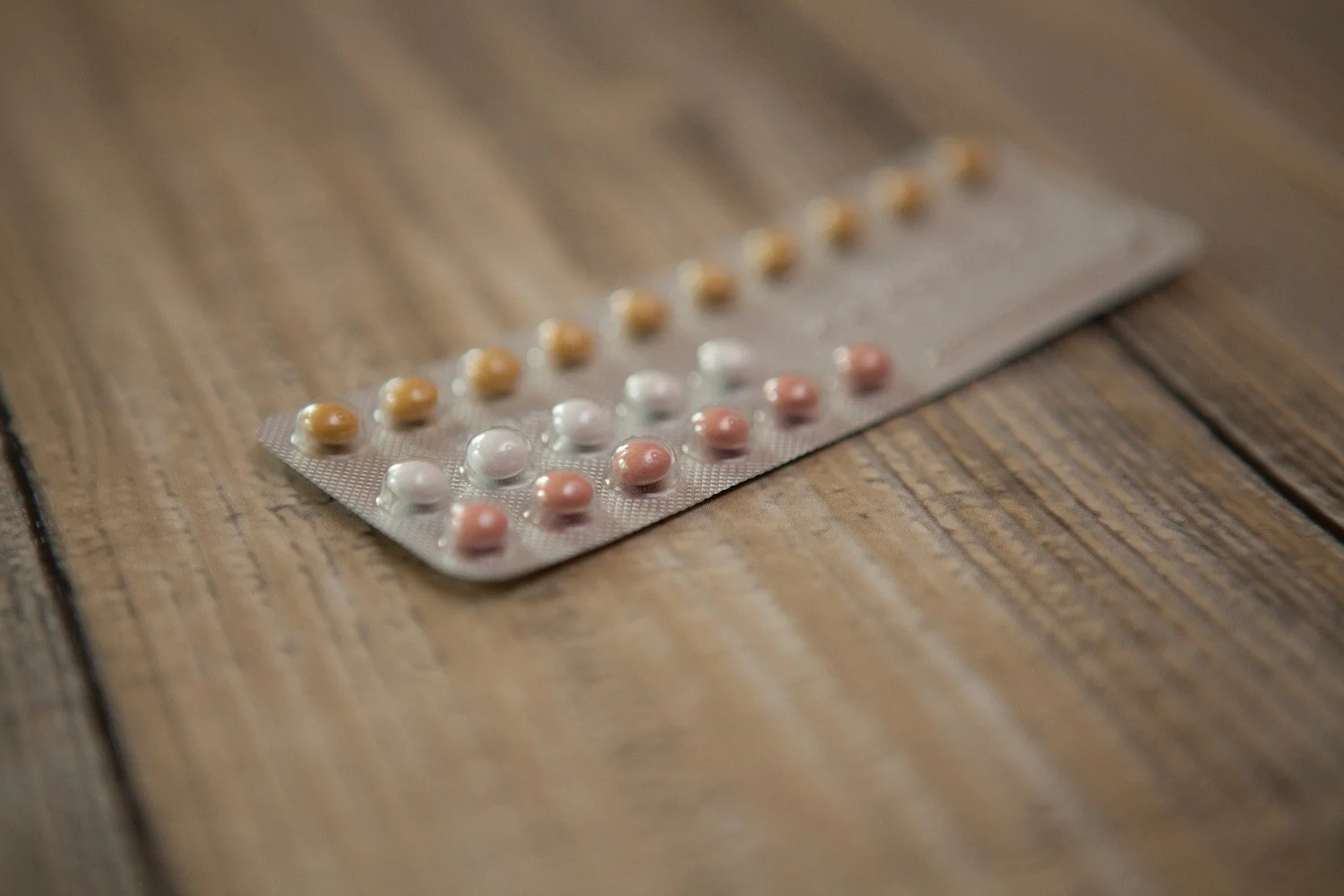
Certain antidepressants, hormonal contraceptives and other common medications can lower libido as a side effect. This is one of the most overlooked contributors. always addressed with your prescriber rather than by stopping anything on your own.
Energy and Iron Status
Desire is one of the first things the body cuts when running depleted. Iron deficiency, thyroid dysfunction and chronic sleep debt all lower the hormonal resources desire draws on.
Stress Physiology
Sustained stress can keep stress hormones like cortisol elevated and the nervous system in a heightened state of vigilance, conditions that are not conducive to sexual desire. This is biology, not willpower, and understanding these factors can help guide a more comprehensive approach to care.
Comfort and Pain
Dryness or pain with intimacy understandably suppresses interest. Treating the physical symptoms are just as important.
How is low libido tested?
The first step is understanding the bigger picture during out initial assessment. We'll talk about when your libido changed, what else was happening at the time, your menstrual cycle, sleep, energy, stress, medications, relationship factors, and anything else that may be contributing, only at a pace and depth you're comfortable with.
Depending on your symptoms, bloodwork may include thyroid testing, iron (ferritin), and comprehensive integrative hormone testing that's appropriate for your age and stage of life. These tests can help identify physical factors that may be contributing to low libido.
If relationship or psychological factors appear to be playing an important role, we'll discuss that openly and, when appropriate, recommend additional support alongside your physical care.
How is low libido treated?
There isn't a one-size-fits-all treatment for low libido because the causes are different for everyone. Treatment follows your contributors: correcting iron or thyroid issues, supporting hormonal transitions, addressing dryness, improving vaginal comfort, rebuilding energy helping you recover from chronic stress or fatigue, reviewing medications that may affect libido, and making nutrition and lifestyle recommendations where appropriate.
For many people, low libido improves when the underlying contributors are identified and addressed. Our goal is to understand what's driving your symptoms and create a personalized, evidence-informed plan that supports your overall health and wellbeing.
How Somewhere Health helps
Care starts with the bigger picture rather than a single test. If you've already been diagnosed, we build on what you know. If you suspect something deeper but have never had a full workup, we can order the testing that gets you clear answers.
Your first visit is 75 minutes with a licensed naturopathic doctor who has reviewed your full intake. Together you'll create a plan that may include nutrition and lifestyle changes, targeted supplementation, and functional testing where appropriate. Bloodwork happens at any LifeLabs or Dynacare, and specialty panels like the DUTCH test ship to your door.
Appointments are completely virtual, so you can access care from anywhere in Ontario, and visits are covered by most extended health benefits plans.
Our Approach
- Nutrition and dietary guidance
- Lifestyle recommendations
- Stress and sleep support
- Targeted supplementation
- Functional or laboratory testing when appropriate
- Ongoing monitoring and treatment adjustments
- Collaborative care with your broader healthcare team when needed
How it Works





Dr. Courtney Ranieri is a licensed naturopathic doctor with Therapeutic Prescribing authorization, in practice since 2018. She holds a Doctor of Naturopathic Medicine from the Canadian College of Naturopathic Medicine and an Honours BSc from Western University, and her clinical focus is women's health: hormones, fertility, digestion, pelvic floor and metabolic care. She sees patients across Ontario virtually.