.png)

Hormone Imbalances
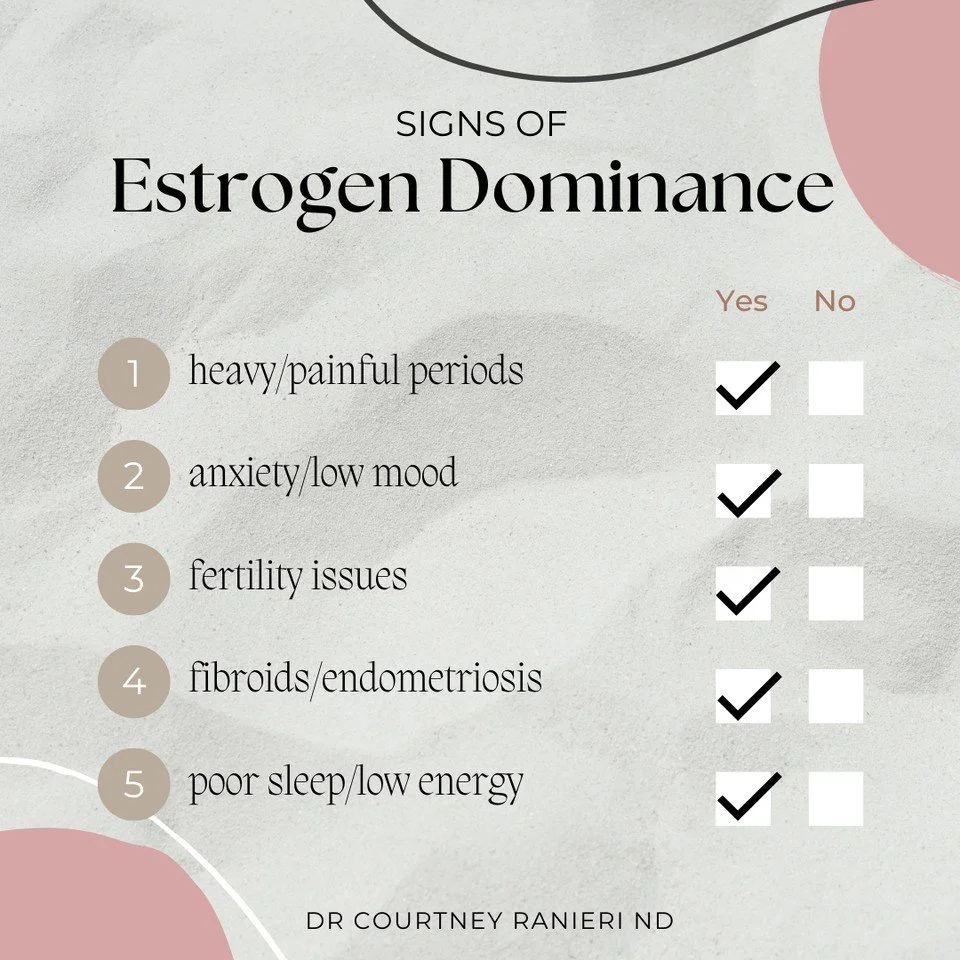
Your hormones work together as a team, which means changes in one area can often impact others. That’s why hormonal symptoms rarely show up in isolation. Cycle changes, mood shifts, skin changes, cravings, fatigue and sleep changes are all common hormone symptoms.
Hormone imbalance symptoms: is your body telling you they're off?
Instead of chasing each symptom separately, we look at the bigger picture. Through thoughtful assessment and, when appropriate, testing, we help identify what may be contributing to your symptoms and create a plan that supports your body as a whole.
Estrogen, progesterone, cortisol, thyroid hormones, and insulin all play a role in regulating your menstrual cycle, energy, mood, skin, metabolism, weight, and sleep. Hormonal imbalances aren't always a single diagnosis—they're often a pattern of symptoms that can give us important clues about what’s happening inside your body.
Some hormonal changes are a normal part of life, like perimenopause, menopause, or postpartum changes. Others may point to areas where your body needs additional support. Understanding the difference helps us create the right approach for you.
You may benefit from an assessment if you experience:
- Irregular, heavy, or missing periods
- Mood changes, irritability, or low mood that seem connected to your cycle
- Adult acne, especially around the jawline and chin
- Fatigue that doesn’t improve with rest
- Sleep changes, night sweats, or hot flashes
- Weight changes that feel unexpected or difficult to understand
- Hair thinning or increased facial hair growth
- Low libido or vaginal dryness
Up to 90%
4 to 8 yrs
What causes a hormone imbalance?
Estrogen and Progesterone Balance
These two hormones are designed to rise and fall in rhythm. When estrogen is proportionally high or progesterone low, it can lead to heavy periods, breast tenderness, PMS and cycle irregularity.
Cortisol and Chronic Stress
Cortisol and reproductive hormones are closely connected, which is why stress can have a bigger impact on your hormones than you might expect. When your body is under ongoing stress, it can affect ovulation, worsen PMS symptoms, and make sleep more difficult. Supporting stress physiology is an important part of supporting overall hormone health.
Thyroid Function
The thyroid sets the metabolic pace for every cell. Thyroid dysfunction can mimic or magnify nearly any hormonal symptom, which is why we test it rather than assume.
Insulin and Blood Sugar
Insulin resistance pushes the ovaries toward androgen production and disrupts ovulation. It's a central driver in PCOS/PMOS and a frequent quiet contributor elsewhere.
Life Stage Transitions
Puberty, postpartum, and perimenopause are normal seasons of hormonal change. Some symptoms are expected, but that doesn’t mean you have to accept feeling unlike yourself. When symptoms start impacting your day-to-day life, it’s worth exploring what support is available.
How are hormone imbalances tested?
Assessment is always chosen on an individual basis and starts with your cycle history and symptom pattern, which often reveals more than any single lab value. From there, testing is chosen to answer specific questions: blood hormone panels timed to your cycle, a complete thyroid panel, blood sugar and insulin markers, and comprehensive urine hormone testing such as the DUTCH test where a deeper look at hormone production and metabolism will genuinely change treatment.
Timing matters in hormone testing, and we schedule collection windows so your results help us understand the full picture.
How are hormone imbalances treated?
Treatment targets the pattern your assessment reveals. Depending on your needs, care may include cycle-informed nutrition, targeted supplementation, herbal medicine with evidence behind it, blood sugar and stress physiology support, and sleep restoration. Where appropriate, bioidentical hormone therapy may be discussed.
Progress is tracked against both symptoms and follow-up labs, so you can see the pattern shifting rather than guessing.
How Somewhere Health helps
Care starts with the bigger picture rather than a single test. If you've already been diagnosed, we build on what you know. If you suspect something deeper but have never had a full workup, we can order the testing that gets you clear answers.
Your first visit is 75 minutes with a licensed naturopathic doctor who has reviewed your full intake. Together you'll create a plan that may include nutrition and lifestyle changes, targeted supplementation, and functional testing where appropriate. Bloodwork happens at any LifeLabs or Dynacare, and specialty panels like the DUTCH test ship to your door.
Appointments are completely virtual, so you can access care from anywhere in Ontario, and visits are covered by most extended health benefits plans.
Our Approach
- Nutrition and dietary guidance
- Lifestyle recommendations
- Stress and sleep support
- Targeted supplementation
- Functional or laboratory testing when appropriate
- Ongoing monitoring and treatment adjustments
- Collaborative care with your broader healthcare team when needed
How it Works
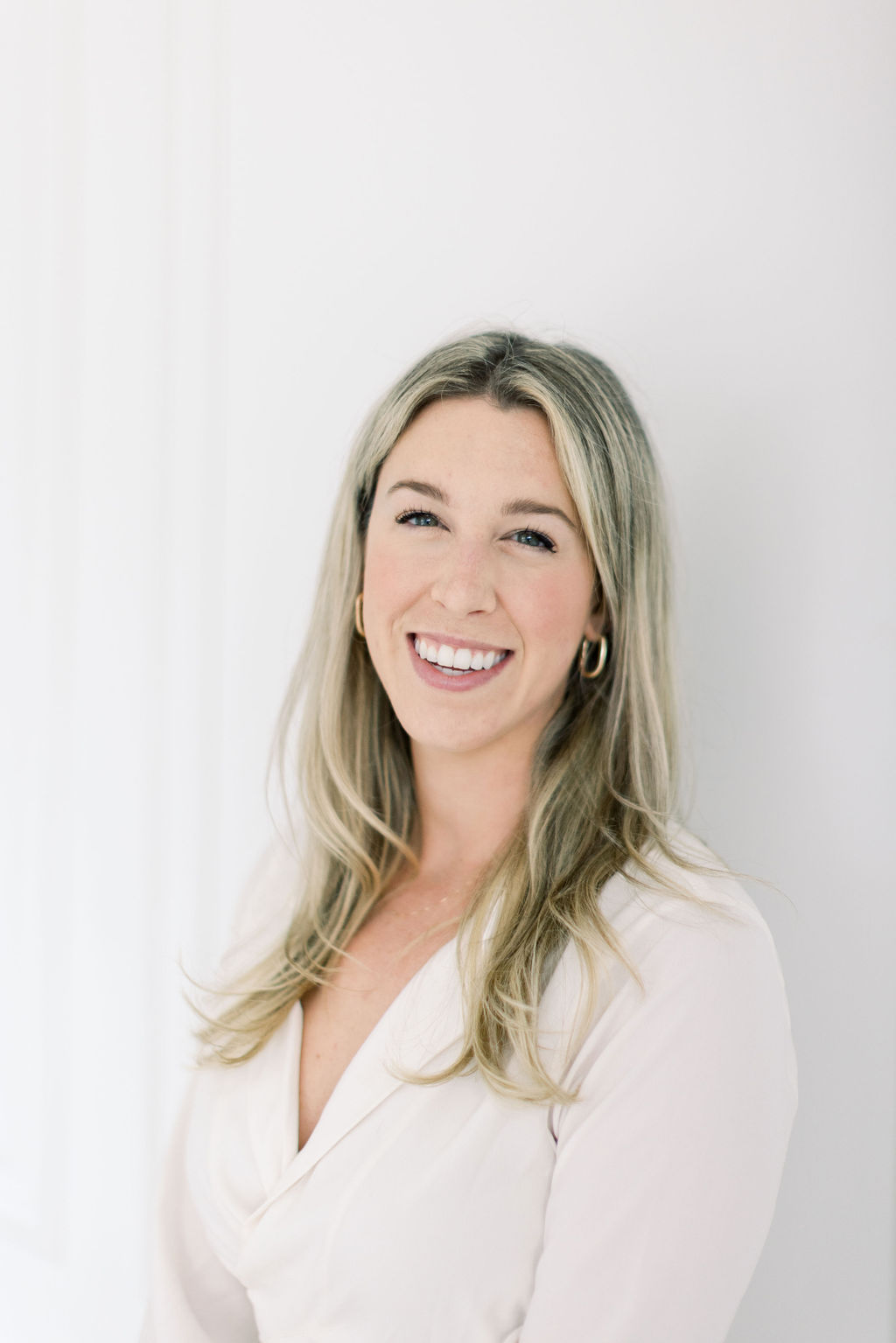

Dr. Courtney Ranieri is a licensed naturopathic doctor with Therapeutic Prescribing authorization, in practice since 2018. She holds a Doctor of Naturopathic Medicine from the Canadian College of Naturopathic Medicine and an Honours BSc from Western University, and her clinical focus is women's health: hormones, fertility, digestion, pelvic floor and metabolic care. She sees patients across Ontario virtually.