.png)

PCOS / PMOS
Polycystic Ovary Syndrome (PCOS) sometimes referred to as Polyendocrine Metabolic Ovarian Syndrome (PMOS) to better reflect its effects beyond the ovaries, is one of the most common hormonal conditions affecting women. It can contribute to irregular periods, acne, unwanted hair growth, difficulty with ovulation, weight changes, insulin resistance, and fertility challenges, yet many women leave their diagnosis with more questions than answers. Understanding the mechanisms behind your PCOS matters, because they can be measured and worked with, and because managing it well supports your long-term metabolic health.
PCOS symptoms: is this you?
Polycystic Ovary Syndrome (PCOS or PMOS) is a hormonal and metabolic condition, not simply an ovary problem. It is diagnosed when two of the following are present: irregular or absent ovulation, elevated androgens such as testosterone, or the characteristic appearance of the ovaries on ultrasound. For many women, insulin resistance is a key driver, increasing androgen production and disrupting ovulation. That's why PCOS can affect your periods, skin, hair, weight, energy, fertility, and long-term metabolic health, not just your menstrual cycle. By understanding the factors contributing to your symptoms, we can develop a personalized, evidence-informed treatment plan that supports both your current concerns and your long-term health.
Signs you may have PCOS or could benefit from a PCOS assessment:
- Irregular or missing periods
- Persistent acne
- Excess facial or body hair
- Scalp hair thinning or hair loss
- Weight gain or difficulty losing weight
- Sugar cravings, energy crashes, or insulin resistance
- Difficulty ovulating or getting pregnant
- A PCOS diagnosis but no personalized treatment plan
What causes PCOS?
PCOS is not caused by one single factor. It is a complex hormonal and metabolic condition involving the way your body regulates insulin, androgens, inflammation, and stress hormones. Understanding what is contributing to your PCOS symptoms helps guide a more personalized approach to care.
Insulin Resistance
Insulin resistance is common in PCOS and can occur at any body size. When insulin levels are elevated, it can signal the ovaries to produce more androgens and interfere with normal ovulation. For many people with PCOS, supporting blood sugar balance and insulin sensitivity is an important part of symptom management.
Androgen Excess
Higher levels of androgens, such as testosterone, can contribute to common PCOS symptoms like acne, unwanted facial or body hair, and scalp hair thinning. Addressing the factors that influence androgen levels may help support improvements.
Inflammation
PCOS is associated with changes in inflammatory pathways that can interact with insulin resistance and hormone balance. Nutrition, movement, sleep, and other lifestyle factors can play a role in supporting overall metabolic health and reducing factors that may contribute to symptoms.
Stress Physiology
Chronic stress and cortisol changes can influence blood sugar regulation, hormone signalling, and menstrual cycles. In some people with PCOS-like symptoms, adrenal hormones may also contribute to the overall picture. Understanding whether stress physiology is playing a role can help guide a more individualized treatment plan.
1 in 10
Up to 70%
How is PCOS tested?
Whether you're newly diagnosed or have been managing PCOS or PMOS symptoms for years, testing helps identify the factors contributing to your unique presentation. PCOS exists on a spectrum, and understanding your individual pattern can help guide a more personalized treatment approach.
Testing may include fasting insulin and glucose to assess blood sugar regulation, androgen levels such as testosterone, thyroid testing to rule out other conditions that can mimic PCOS, and cycle-timed hormone testing when ovulation patterns are unclear. Your symptoms, cycle history, fertility goals, and concerns, whether that’s regulating periods, improving acne, addressing unwanted hair growth, or supporting fertility and conception, help shape the workup.
This matters because PCOS looks different for everyone. Understanding your specific drivers helps ensure your treatment plan is targeted to your needs rather than based on a one-size-fits-all approach.
How is PCOS treated?
PCOS treatment focuses on addressing your individual drivers and health goals. For insulin resistance or blood sugar concerns, this may include nutrition strategies that support stable blood sugar without extreme restriction, strength-focused movement, and evidence-informed supplements such as inositol. Androgen-related symptoms, including acne, unwanted hair growth, and scalp hair thinning, may benefit from targeted support alongside addressing underlying hormonal patterns.
When medications such as metformin or hormonal therapies are part of your care, they can be integrated into your overall treatment plan. PCOS management is about finding the right combination of tools for your body and your goals. Progress is assessed by looking at the full picture: your symptoms, menstrual cycles, lab markers, and overall wellbeing, so you can better understand how your health is changing over time.
How Somewhere Health helps
Care starts with the bigger picture rather than a single test. If you've already been diagnosed, we build on what you know. If you suspect something deeper but have never had a full workup, we can order the testing that gets you clear answers.
Your first visit is 75 minutes with a licensed naturopathic doctor who has reviewed your full intake. Together you'll create a plan that may include nutrition and lifestyle changes, targeted supplementation, and functional testing where appropriate. Bloodwork happens at any LifeLabs or Dynacare, and specialty panels like the DUTCH test ship to your door.
Appointments are completely virtual, so you can access care from anywhere in Ontario, and visits are covered by most extended health benefits plans.
Our Approach
- Nutrition and dietary guidance
- Lifestyle recommendations
- Stress and sleep support
- Targeted supplementation
- Functional or laboratory testing when appropriate
- Ongoing monitoring and treatment adjustments
- Collaborative care with your broader healthcare team when needed
How it Works



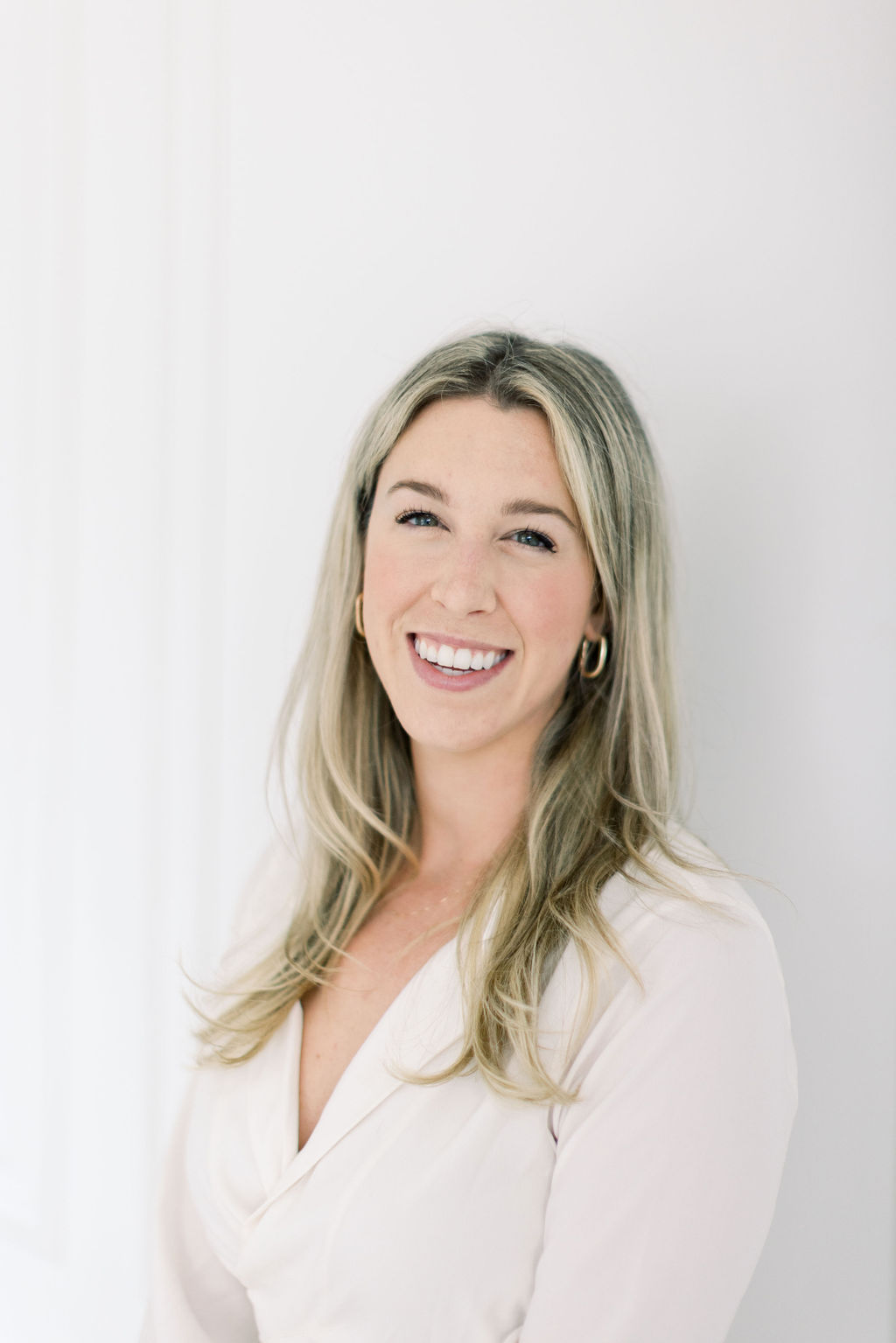

Dr. Courtney Ranieri is a licensed naturopathic doctor with Therapeutic Prescribing authorization, in practice since 2018. She holds a Doctor of Naturopathic Medicine from the Canadian College of Naturopathic Medicine and an Honours BSc from Western University, and her clinical focus is women's health: hormones, fertility, digestion, pelvic floor and metabolic care. She sees patients across Ontario virtually.