.png)

SIBO
Small intestinal bacterial overgrowth (SIBO) occurs when bacteria that normally live in the large intestine become more abundant in the small intestine. When this happens, they ferment carbohydrates earlier than they should, which can contribute to bloating, gas, abdominal discomfort, and changes in bowel habits. Because these symptoms overlap with IBS, SIBO can sometimes be overlooked.
SIBO symptoms: could bacterial overgrowth explain them?
SIBO can be assessed with breath testing, and when identified, treatment is different from many other digestive conditions. Understanding whether SIBO is contributing to your symptoms can help guide a more targeted treatment plan.
The small intestine normally contains relatively few bacteria. When overgrowth develops, food begins fermenting shortly after you eat, producing hydrogen or methane gas in a space too narrow to accommodate it comfortably. That's why SIBO bloating tends to appear within an hour or two of meals and build through the day.
SIBO rarely appears out of nowhere. It usually develops because something has slowed the small intestine's natural cleansing contractions: a past bout of food poisoning, low thyroid function, certain medications, or structural factors. Understanding what contributed to the overgrowth is just as important as clearing the overgrowth. Addressing those factors may help reduce the chance of symptoms returning.
You may benefit from an assessment if you experience:
- Bloating that starts soon after eating and worsens through the day
- Excessive gas regardless of what you eat
- Abdominal discomfort or visible distension
- Diarrhea, constipation or both
- Symptoms that began after food poisoning or travel
- An IBS diagnosis that hasn't responded to standard approaches
- Temporary relief from antibiotics that later faded
- Reactions to onions, garlic, beans and other fermentable foods
What causes SIBO?
Slowed Gut Motility
Your small intestine has its own cleaning cycle. Between meals, wave-like contractions, called the migrating motor complex (MMC) help clear bacteria and leftover food through the digestive tract. If this process slows, bacteria can linger and multiply, contributing to SIBO. This can happen after food poisoning, with hypothyroidism or diabetes, or when gut motility has been affected.
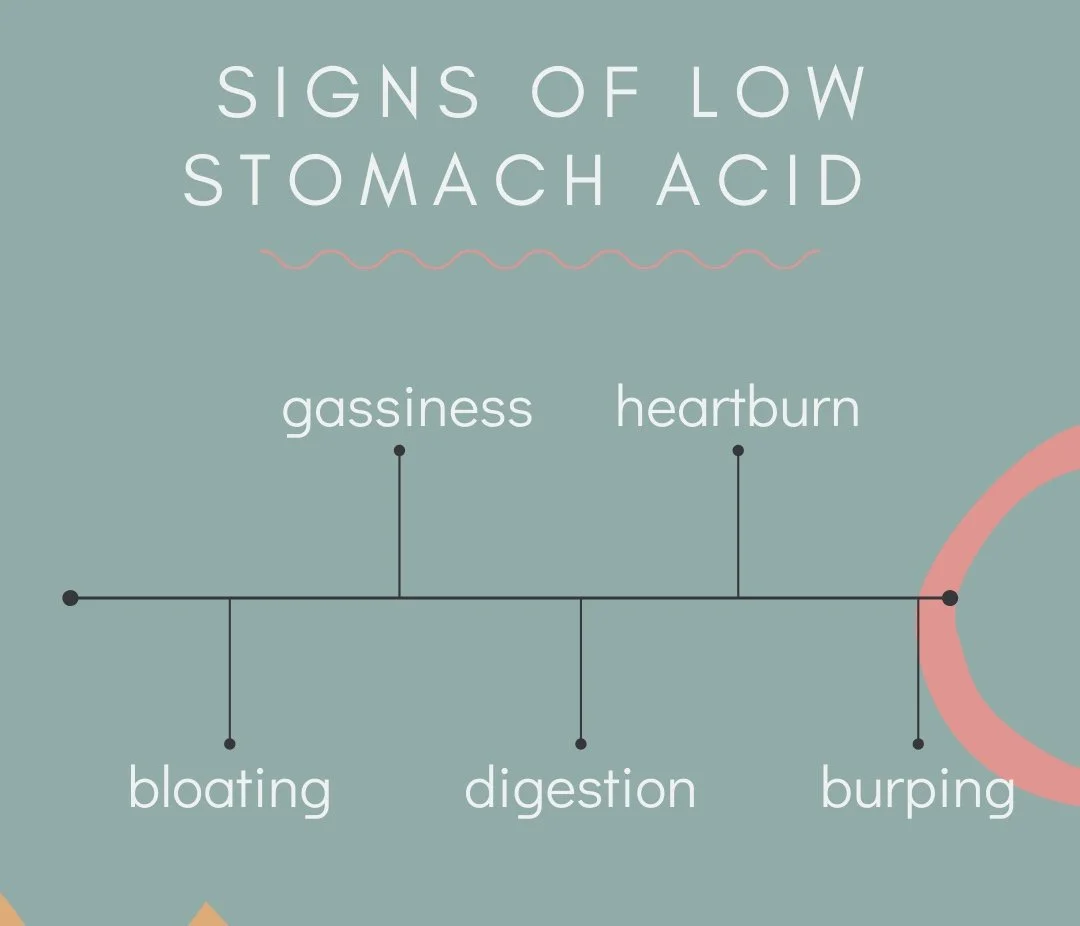
Low Stomach Acid
Stomach acid is a first line of defence against swallowed bacteria. Long-term acid suppression, whether from medication or other causes, can allow more bacteria to survive the journey into the intestine.
Structural and Surgical Factors
Adhesions from abdominal surgery, endometriosis or certain anatomical variations can create pockets where bacteria accumulate.
Medications
Some medications slow gut transit or alter the microbiome, including opioids and long-term proton pump inhibitors. Reviewing your medication history is a standard part of assessment.

Up to 1 in 3
2 hrs
How is SIBO tested?
A breath test is the standard non-invasive investigation. After drinking a sugar solution, you collect breath samples over about three hours, and rising hydrogen or methane levels indicate fermentation happening where it shouldn't. The test can be completed at home with a kit we arrange.
Assessment also looks upstream: your history of food poisoning, thyroid function, medications, surgeries and motility symptoms, because these point to why overgrowth developed and what will keep it from returning.
How is SIBO treated?
Treatment typically runs in phases. First, reducing the overgrowth using evidence-informed antimicrobial protocols, with prescription options considered when they're the better fit for your case. Second, supporting motility so the small intestine resumes its own housekeeping. Third, reintroducing foods and rebuilding a resilient microbiome rather than staying on a restricted diet indefinitely.
Relapse prevention is built in from the start, because clearing the overgrowth without addressing its cause is how SIBO becomes a recurring problem.
How Somewhere Health helps
Care starts with the bigger picture rather than a single test. If you've already been diagnosed, we build on what you know. If you suspect something deeper but have never had a full workup, we can order the testing that gets you clear answers.
Your first visit is 75 minutes with a licensed naturopathic doctor who has reviewed your full intake. Together you'll create a plan that may include nutrition and lifestyle changes, targeted supplementation, and functional testing where appropriate. Bloodwork happens at any LifeLabs or Dynacare, and specialty panels like the DUTCH test ship to your door.
Appointments are completely virtual, so you can access care from anywhere in Ontario, and visits are covered by most extended health benefits plans.
Our Approach
- Nutrition and dietary guidance
- Lifestyle recommendations
- Stress and sleep support
- Targeted supplementation
- Functional or laboratory testing when appropriate
- Ongoing monitoring and treatment adjustments
- Collaborative care with your broader healthcare team when needed
How it Works





Dr. Courtney Ranieri is a licensed naturopathic doctor with Therapeutic Prescribing authorization, in practice since 2018. She holds a Doctor of Naturopathic Medicine from the Canadian College of Naturopathic Medicine and an Honours BSc from Western University, and her clinical focus is women's health: hormones, fertility, digestion, pelvic floor and metabolic care. She sees patients across Ontario virtually.