.png)

Infertility & Conception Support
Months of trying to conceive without success can be emotionally exhausting. Fertility struggles are more common than many people realize, and understanding the factors that influence fertility can help you feel supported and informed throughout your journey. You deserve care that looks at more than just one piece of the puzzle. We take the time to understand your unique fertility picture, from cycles and ovulation to thyroid, nutrition, and overall health, while supporting you alongside your existing fertility care.
Signs of infertility: trying longer than you expected?
Infertility is defined as twelve months of regular, well-timed trying without conception, or six months when you're 35 or older. About one in six couples in Canada experience it. Behind that definition sit many different situations: ovulation that's irregular or absent, egg or sperm quality factors, structural issues, conditions like PCOS or endometriosis, and the genuinely unexplained.
Unexplained doesn't mean untreatable. It often means the contributing factors are subtle, cumulative or sitting outside what the standard panel measures, which is exactly where careful assessment earns its keep.
You may benefit from an assessment if you:
- Have been trying for six to twelve months without success
- Have irregular cycles or suspect you're not ovulating
- Have PCOS, endometriosis or thyroid disease
- Received an unexplained infertility diagnosis
- Have experienced miscarriage
- Want to improve egg quality before treatment
- Are preparing for IUI or IVF
- Want your partner's fertility addressed too
What causes infertility?
Ovulation Quality
Cycles can look regular while ovulation is weak, late or occasionally absent. The luteal phase that follows ovulation matters too, since it sustains early implantation. Cycle-timed testing and tracking reveal what a calendar can't.
Thyroid Function
Even subclinical thyroid dysfunction is associated with reduced fertility and higher miscarriage risk. Fertility-focused thyroid interpretation uses tighter targets than general screening, which is why normal results sometimes deserve a second look.
Egg Environment
Eggs mature over roughly three months, influenced by blood sugar, nutrient status, inflammation and oxidative stress. These are the levers preconception-style care can move, particularly ahead of IVF.
Male Factor
Sperm contribute to nearly half of fertility difficulty, yet often go untested for months. Semen analysis early saves time, and sperm respond to the same three-month improvement window.
Weight of Time and Stress
Fertility struggle is itself a chronic stressor that disrupts sleep, cycles and relationships. Supporting you through the process is part of treating it, not a soft extra.
1 in 6
~50%
How is fertility tested?
Fertility assessment starts with understanding the full picture. We review your cycle patterns, health history, previous pregnancies or losses, lifestyle factors, and both partners’ reproductive health. Testing may include cycle-timed hormones, thyroid function, ferritin, B12, vitamin D, blood sugar and insulin markers, and semen analysis for your partner when appropriate.
We also make sure important fertility assessments, such as evaluating tubal patency, have been considered when needed, with referral for medical investigation where appropriate.
The goal is a clearer understanding of what may be contributing to your fertility journey including when targeted support may be helpful and when working with a fertility clinic is the right next step.
How is infertility treated?
Fertility care focuses on the factors we can influence. Depending on your individual picture, this may include supporting regular ovulation, addressing thyroid or nutrient concerns, building nutrition and lifestyle foundations, and using evidence-informed supplementation where appropriate.
Because egg and sperm development occur over several months, preparation before trying to conceive or before fertility treatment can be a valuable part of care. Support may also include helping manage the physical and emotional demands of the fertility process itself.
If you’re moving toward treatments such as IUI or IVF, naturopathic fertility care can provide preparation and support alongside your medical fertility treatment.
How Somewhere Health helps
Care starts with the bigger picture rather than a single test. If you've already been diagnosed, we build on what you know. If you suspect something deeper but have never had a full workup, we can order the testing that gets you clear answers.
Your first visit is 75 minutes with a licensed naturopathic doctor who has reviewed your full intake. Together you'll create a plan that may include nutrition and lifestyle changes, targeted supplementation, and functional testing where appropriate. Bloodwork happens at any LifeLabs or Dynacare, and specialty panels like the DUTCH test ship to your door.
Appointments are completely virtual, so you can access care from anywhere in Ontario, and visits are covered by most extended health benefits plans.
Our Approach
- Nutrition and dietary guidance
- Lifestyle recommendations
- Stress and sleep support
- Targeted supplementation
- Functional or laboratory testing when appropriate
- Ongoing monitoring and treatment adjustments
- Collaborative care with your broader healthcare team when needed
How it Works



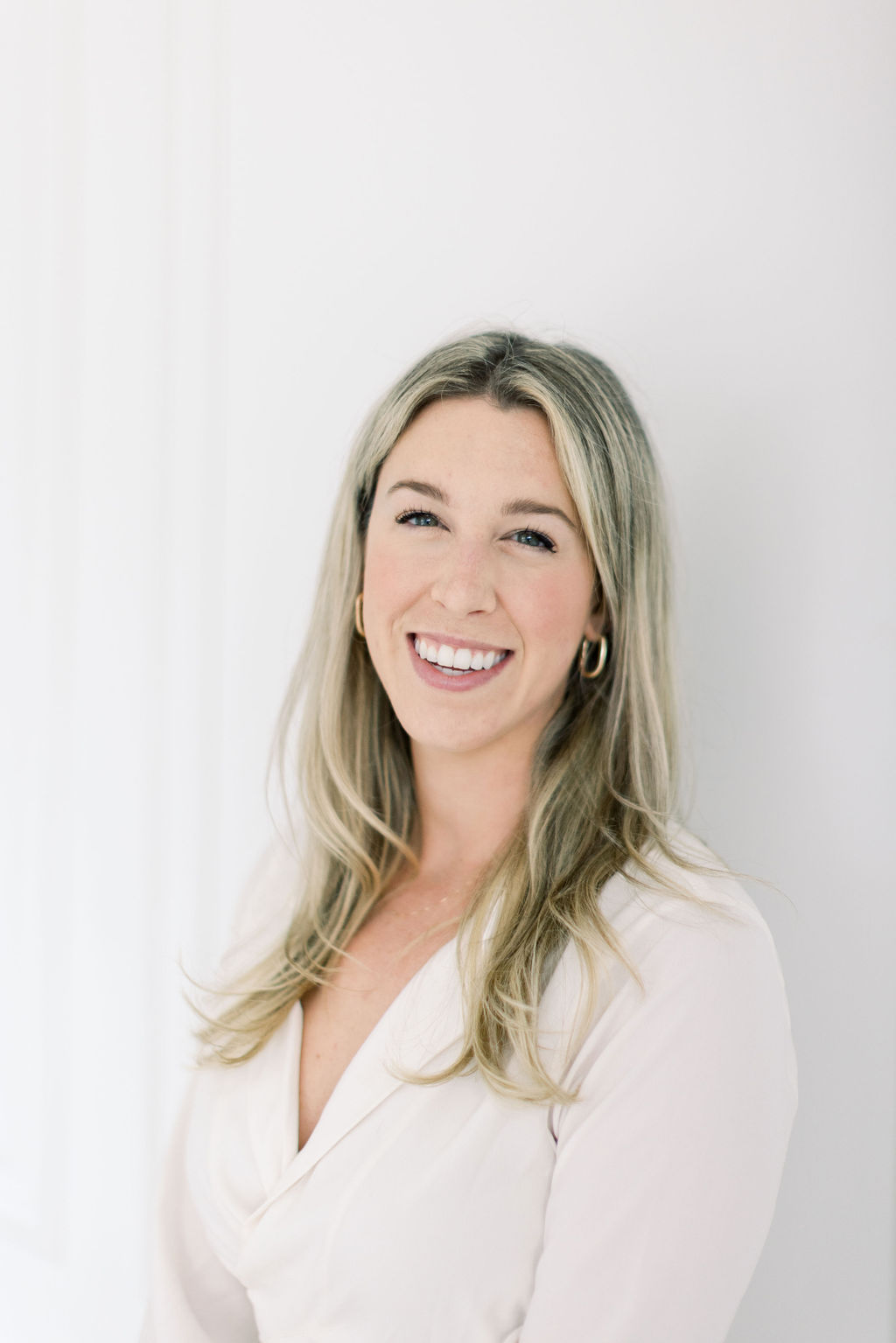

Dr. Courtney Ranieri is a licensed naturopathic doctor with Therapeutic Prescribing authorization, in practice since 2018. She holds a Doctor of Naturopathic Medicine from the Canadian College of Naturopathic Medicine and an Honours BSc from Western University, and her clinical focus is women's health: hormones, fertility, digestion, pelvic floor and metabolic care. She sees patients across Ontario virtually.